Uncategorized

Exploring the Scenic Megastructure World of Hypnos: An Engaging Demo Experience

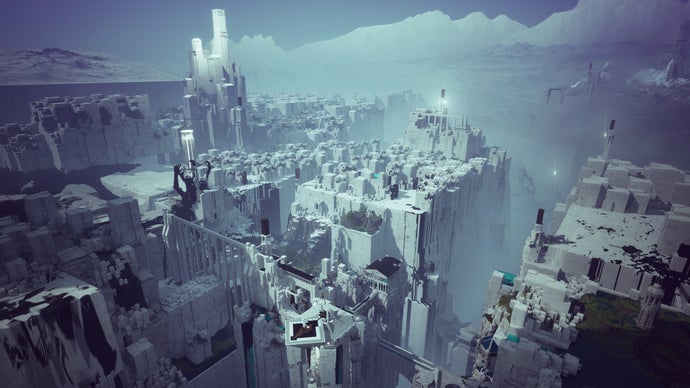
When I first wrote about Hypnos upon its announcement last month, I noted how I don’t really know what you do in it. The trailer was entirely about The Vibes, but that was enough for my mechanically minimalist loving heart. I’ve now had a go at the demo, and to tell you the truth, I’m still not entirely sure what you do, and I couldn’t give a monkeys because oh me oh my, what a pretty world it does contain.

Read more

Uncategorized

A Handbook for Selecting the Optimal Beginning Pokémon in FireRed and LeafGreen

### Pokémon FireRed and LeafGreen: Selecting the Optimal Starter Pokémon

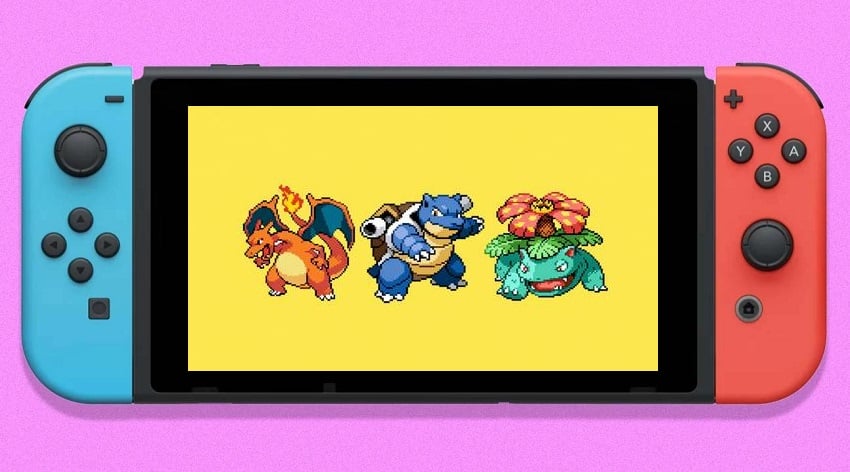
Pokémon FireRed and LeafGreen have arrived on the Nintendo Switch, enabling enthusiasts to relish the nostalgic allure of the Kanto region as part of the franchise’s 30th anniversary celebration. With countless players immersing themselves in this classic, one of the enduring questions remains: which starter Pokémon to select? The choices are Bulbasaur, Charmander, and Squirtle—each possessing distinct advantages that can influence your adventure. Below is a summary to assist in your choice, although the final decision should be based on which Pokémon appeals to you personally.

#### Bulbasaur

Bulbasaur is a Grass/Poison-type starter recognized for its solid toughness. It evolves into Ivysaur at level 16 and subsequently into Venusaur at level 32, evolving four levels sooner than its rivals. Bulbasaur is especially advantageous against the initial two Gym Leaders: Brock and Misty, as their Pokémon weaknesses grant this starter a significant advantage.

Essential moves for Bulbasaur include Sleep Powder, Leech Seed, Giga Drain, and Sludge Bomb. Sleep Powder is crucial for strategy, facilitating battle flow management, while Giga Drain and Sludge Bomb provide sustainability and damage options. With high HP and effective status moves, Bulbasaur is an attractive pick for trainers who favor a balanced tactical style.

#### Charmander

Charmander, the Fire-type starter, has secured its place as a beloved choice among fans, largely due to its appealing design and its ultimate evolution into Charizard—a powerful Fire/Flying-type. Charmander evolves into Charmeleon at level 16 and into Charizard at level 36, the latter proving to be highly effective in the late stages of the game.

Nonetheless, Charmander encounters difficulties early on, particularly against the first two Gyms. It can counteract this with moves like Metal Claw, useful for dealing with Brock’s rock-types. As it develops, Charmander can learn formidable moves such as Flamethrower, Slash, Earthquake, Fire Spin, and Toxic, equipping it with capabilities to dominate against various foes by exploiting type weaknesses.

#### Squirtle

Squirtle, the Water-type starter, provides both adaptability and appeal. It evolves into Wartortle at level 16 and Blastoise at level 36. Squirtle is simple to train and showcases effectiveness against Brock while maintaining strong defensive attributes throughout the game.

While it boasts solid defense, Squirtle does face challenges in Gyms three and four. It can acquire Bubble Beam from Misty, presenting a valuable special attack early in the game. Upon evolving, Blastoise gains access to powerful moves like Hydro Pump and Skull Bash, along with Ice Beam and Blizzard to confront dragon-types, ensuring a well-rounded offensive and defensive strategy.

#### Which Starter Should I Pick?

In summary, if you’re seeking a well-rounded option, **Bulbasaur** is highly recommended. Its durability, ease of use in the early game, and advantageous move set render it an excellent starter. Furthermore, its evolutions offer flexibility, and the absence of strong Grass-type alternatives increases its worth. With Bulbasaur, players can embark on a solid journey, crafting a competent team while utilizing unique skills like Sleep Powder for capturing additional Pokémon throughout their adventures. Ultimately, select the starter that resonates with you the most; the main objective is to enjoy the experience the Kanto region presents.

Uncategorized

Polymarket Promotes Wagering on World War 3 as a Community Service Program

**The Ascendancy of Prediction Markets Amidst Global Unrest**

In the early dawn of February 28th, 2023, tensions escalated sharply as the U.S. and Israeli forces executed an air strike on Iran, an act many have deemed unwarranted. This action followed weeks of military maneuvering and occurred during ongoing negotiations over a nuclear agreement, a backdrop that underscores the intricacies of international diplomacy in the area. The consequences of such military actions are dire, marked by increasing civilian casualties and a swiftly developing humanitarian emergency. As the circumstances progress, a novel aspect has surfaced: the confluence of conflict and prediction markets.

Polymarket, a betting platform where individuals can wager on a diverse range of events—including geopolitical developments—has emerged as a point of interest for those seeking to assess the uncertain environment. The platform facilitates anonymous betting on occurrences that span from sports to military engagements. In light of the turmoil in Iran, numerous bettors aim to profit from the escalating disorder, utilizing their perceptions to forecast results. This contrast between gambling and international strife raises ethical dilemmas concerning the commercialization of human hardship.

In a declaration, Polymarket highlighted its function as a supplier of “impartial forecasts,” asserting that the platform provides crucial insights during “heart-wrenching times.” According to the platform, its prediction markets can act as a resource for individuals impacted by the conflict, even claiming that they can deliver insights that conventional media sources fall short of offering. However, the actual situation is significantly more intricate. The users drawn to Polymarket frequently reflect a narrow demographic whose predictions can be profoundly swayed by their biases and personal stakes.

Detractors claim that the involvement of these bettors undermines the dependability of the predictions, particularly in critical situations like war. Historical examples exemplify this apprehension; for instance, the shortcomings of political bettors in Canadian elections indicate that collective intelligence doesn’t always align with precision. Furthermore, recent controversies involving betting in professional sports reveal that both the uninformed and the over-informed can hinder the integrity of prediction markets, further complicating their usefulness.

The surge of wagering on conflict has prompted distressing inquiries regarding the ethics of profiting from warfare. In earlier instances, such as Israel’s missile attacks on Iran, anecdotal evidence indicated that some bettors may have possessed insider knowledge, hinting at a troubling reality where monetary gain could drive disorder rather than peace. The existence of anonymous bettors only intensifies this problem, creating a possibly hazardous scenario where profits are linked to human suffering and mortality.

The financial ramifications of war—particularly in the Middle East—are intricately woven into a complicated network of interests, such as defense contracting and resource exploitation. The rise of platforms like Polymarket, which facilitate betting on the outcomes of these occurrences, raises significant questions regarding the ethical aspects of such practices. As bettors speculate on the consequences of military actions, the stakes transcend individual financial gain; they engage with moral issues that invite examination.

In a context where prediction markets converge with global conflict, the way forward necessitates a thorough investigation into the motivations and repercussions associated with these platforms. The commercialization of events that lead to suffering raises pressing questions about accountability, ethics, and the larger societal impacts. As we traverse this new landscape, acknowledging the seriousness of these matters is crucial to grasping the complete scope of modern warfare and its intersection with the global economic framework.

Uncategorized

Early Gameplay Revealed for Warhammer 40,000: Dark Heresy, While Rogue Trader Teases Upcoming DLC

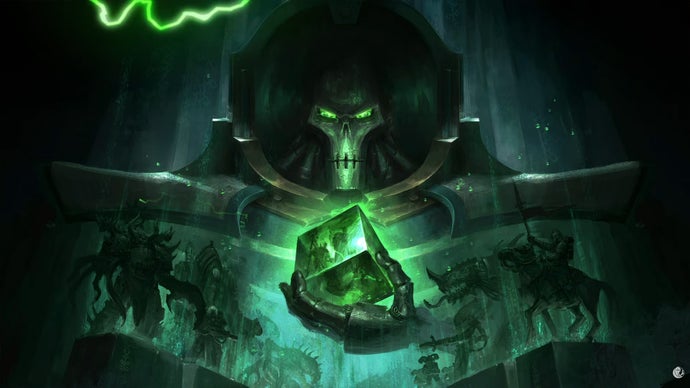
Last year, Owlcat announced they were working on another CRPG set within the world of Warhammer 40,000 called Dark Heresy. This would have potentially led to an assumption that they were done with their previous game, Rogue Trader, but nope! They’re still going, and a brief teaser for that CRPG’s next bit of DLC was shared (and when I say brief, I do mean it), and to wet your appetite, some gameplay for Dark Heresy is there to have a look at too.

Read more

Uncategorized

Markiplier Warns Hollywood About the Significance of YouTubers After the Success of His $50 Million Horror Movie Iron Lung

### Mark Fischbach: The Emergence of Markiplier and His Cinematic Endeavor

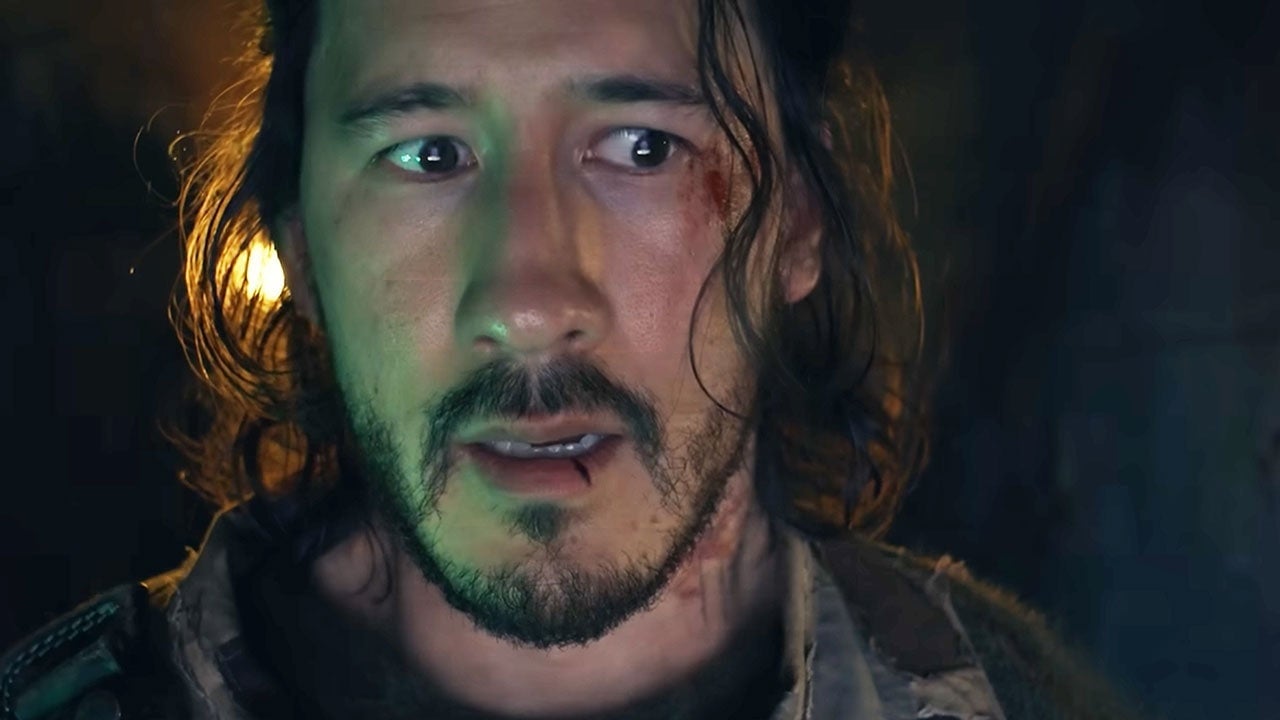
Mark Fischbach, better known by his internet alias Markiplier, has established a significant position for himself as one of the most prominent and lasting personalities in the YouTube realm. Since embarking on his journey on the platform in 2012, Fischbach has amassed millions of subscribers and views, primarily through his captivating “let’s play” videos that feature horror games, including *Five Nights at Freddy’s* and *Amnesia*. His charm and talent for engaging with audiences have allowed him to sustain a notable presence in the rapidly changing digital sphere.

#### A New Era: The Film Adaptation of *Iron Lung*

In a significant departure from his conventional YouTube offerings, Fischbach stepped into the roles of director and lead in the cinematic adaptation of the horror video game *Iron Lung*. This film endeavor has seen tremendous success, earning $50 million on a modest budget of around $4 million. Fischbach’s grassroots distribution strategy has allowed *Iron Lung* to effectively compete with larger studio films, highlighting the feasibility of independent projects in the current market.

Fischbach’s view on the film industry is both daring and perceptive. He recently conveyed his belief that Hollywood has been deliberately overlooking the importance of YouTubers and their potential input into filmmaking. In a discussion with the Lemonade Stand podcast, he stated, “There is that level of respect that I just haven’t met yet,” pointing out the gap in recognition between content creators and traditional filmmakers.

#### The Independent Film Scene

The triumph of *Iron Lung* reflects the rising trend where independent films exceed expectations at the box office. Similar to the 2002 blockbuster *My Big Fat Greek Wedding*, which transformed a $5 million budget into nearly $400 million, Fischbach’s film highlights the feasibility of low-budget projects. It also stands up to larger productions, like *Send Help*, directed by Sam Raimi, a filmmaker notable for his own low-budget horror origins with *The Evil Dead*.

For many creators such as Fischbach, financial rewards, while satisfying, are not the only driving force. It is the elusive pursuit of artistic recognition that often stings. This notion is echoed in the thoughts of other content creators, like Kevin Perjurer (Defunctland), who has critiqued the perception of online documentaries compared to traditional productions.

#### The Evolving Perception of YouTubers in Hollywood

Though Fischbach’s success may signal a change in how studios regard YouTubers, the overall industry dynamics remain intricate. The launch of *Shelby Oaks*, a horror film by YouTuber Chris Stuckmann, indicates a surging interest in partnerships between conventional film and digital creators. However, this adaptation garnered only moderate acclaim and commercial success, illustrating that not every project may achieve the same degree of impact as *Iron Lung*.

Furthermore, A24’s recent declaration of a film adaptation based on the liminal YouTube phenomenon *The Backrooms* – directed by emerging creator Kane Parsons – further showcases the growing trend of Hollywood engaging with the online creator community. Yet, insiders indicate that numerous projects involving digital creators often fail to advance, frequently remaining in development without reaching audiences.

#### Moving Forward: Fischbach’s Future Goals

As Fischbach envisions his prospects in filmmaking, he has shown an aspiration to delve into narratives beyond video game adaptations, signaling a desire not to be confined to a specific category. He mentioned the curiosity of studio executives, who are now approaching him with inquiries regarding the success of *Iron Lung*. “They’re all asking me the same thing,” he remarked, fostering a new conversation between mainstream Hollywood and digital creators.

Fischbach’s transition from YouTuber to filmmaker represents a transformative phase in the entertainment sector, where boundaries are becoming blurred between traditional media and digital creation. As he continues to navigate both domains, Fischbach stands as a case study for the ability of content creators to affect Hollywood and redefine the storytelling landscape. The future may promise even more innovative projects that challenge conventional norms and redefine success in cinema.
Uncategorized

Perspectives from the Legend of Zelda Actor Regarding the Live-Action Film and the Romantic Dynamics Between Link and Zelda

This week has been filled to the brim with game anniversaries: [Stardew Valley](https://kotaku.com/stardew-valley-marriage-candidates-new-update-1-7-qi-2000674093) reached its 10th year, [Pokémon](https://kotaku.com/pokemon-day-30-anniversary-go-anime-cosplay-stream-2000672824) celebrated 30 years, and *The Legend of Zelda* marked its 40th anniversary — though one wouldn’t fault you for overlooking that last one. Zelda’s milestone earlier this week was observed with minimal excitement; no new games or remakes were revealed, nor any updates regarding the anticipated live-action film. The only offerings were some [miniature weapon replicas](https://www.ign.com/articles/nintendo-mostly-ignored-the-legend-of-zeldas-40th-anniversary-but-heres-some-toy-versions-of-classic-weapons), and even those are limited to select retailers in Japan.

As it seems Nintendo is too preoccupied with [celebrating Pokémon](https://kotaku.com/pokemon-presents-30-anniversary-stream-recap-winds-waves-2000674383), [IGN](https://www.ign.com/articles/as-zelda-turns-40-voice-actress-patricia-summersett-reveals-hopes-for-the-future-and-clarifies-her-thoughts-on-link-and-zeldas-gorgeous-relationship) has stepped in to honor the iconic Zelda franchise via an interview with the voice of Zelda, Patricia Summersett.

Summersett has been an ardent Zelda fan throughout her life and has provided the voice for Princess Zelda for the past decade. She has appeared in both *Breath of the Wild* and *Tears of the Kingdom*, in addition to the spin-offs *Age of Calamity* and *Age of Imprisonment*.

### Inside the Casting for Princess Zelda

When inquired about the audition process, Summersett shared that she was unaware she was auditioning for Princess Zelda: “The best way to describe it was as a bleached script, where you have a certain degree of information about the character archetypes and the general world — for instance, that it resembles an RPG fantasy — but you have no clue what the actual roles are or what the game is. There would have been no way to predict that it was Zelda since she had no voice before. I would never have guessed that was the game I was auditioning for.”

Summersett also clarifies that Zelda’s British accent was not specified by Nintendo, but rather a choice influenced by her education in London and Zelda’s royal lineage. “It’s somewhat easier to describe this as a Hylian accent rather than just a specific UK accent,” she states.

### Thoughts on the Live-Action Movie

Regarding the forthcoming [live-action Zelda adaptation](https://kotaku.com/zelda-live-action-movie-link-bragason-ainsworth-leak-2000644816), Summersett commented, “Clearly Bo Bragason is going to nail it, she will be fantastic. I’m thrilled to have participated in any way, despite not knowing where it’s going, apart from the fact that it’s been 10 years now. I’m just astonished that I’ve been part of this franchise for a quarter of that time.”

“Certainly [the movie] will be a significant collaboration between those new to the series and those who are well-versed in it. [I believe] you will witness a strong portrayal of Zelda. I’m sure there will be a strong lead character in Zelda. And Link, I have no clue, will he speak? They certainly haven’t hinted that he will, as of yet.”

### So, Are Link and Zelda Officially Dating? (No)

Previously, Summersett expressed her personal opinions on the dynamics of Link and Zelda’s relationship, which were later [misinterpreted](https://x.com/Summersett_/status/1660658772824530944) in a widely shared article. “I have various personal theories about what [their relationship] could entail, but I believe there’s something beautiful in the ambiguity; it remains in a sort of — if there are romantic hints, they exist in an unrequited manner. There’s undoubtedly a profound friendship and protectorship between them. It’s a beautiful relationship and continues to evolve while remaining open in numerous iterations of this.”

“And what that signifies for me, as someone who represents the character at events like conventions, is that anyone can approach me with their interpretation of what they view Link and Zelda to be. Much of it manifests in the form of couples.

Uncategorized

Explore the Opening Moments of Nivalis While Awaiting the Release Date Announcement

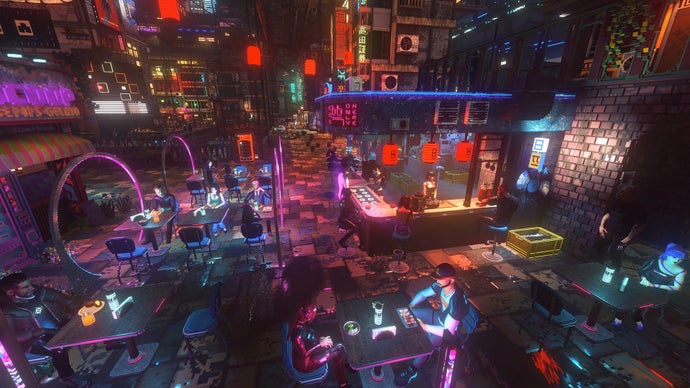
Nivalis is a game that whenever I see it I just think “oh, that can’t be right, games like this don’t actually exist do they?” Arguable, until it’s actually out, its existence is neither here nor there. But at the very least for the month of February, instead of talking at us lot in their monthly devlogs, developer Ion Lands opted to show off a little snippet of the game’s opening moments to tide us over until release.

Read more

Uncategorized

Influence of Sega and Law Enforcement Interventions on a Video Game Preservation Auction

**The Case of Darius Khan: Corporate Oversight and the Quest for Gaming Heritage**

In 2025, the London Police carried out a raid at the home of Darius Khan, a junk dealer caught in a contentious situation involving a set of SEGA development kits, cartridges, and prototypes. Khan claimed he was about to sell these items to the Video Game Preservation Museum for a considerable amount when law enforcement intervened, seizing the goods and putting him through a grueling eight-hour interrogation. Although he was not formally charged, Khan indicated feeling threatened by allegations ranging from theft to money laundering.

The episode attracted more attention when Steve Burke from Gamers Nexus initiated an inquiry into the events surrounding the raid. A contract worker responsible for disposing of SEGA’s hardware reportedly sent an email to the wrong recipient, suggesting that the entire incident was a result of corporate oversight rather than any illegal activities by Khan.

Khan’s profile shows that he works as a scavenger, rummaging through scrap yards for items that can be resold. A notable discovery occurred when Khan came across a cache of hardware thought to be discarded by a SEGA office. With a manager’s permission, he auctioned the electronic waste, which garnered significant interest from collectors, ultimately raising over £60,000 for the Video Game Preservation Museum through an eBay transaction.

The narrative became more complex when someone identifying as “Paul,” a private investigator for FUSION 85, reached out to Khan posing as a worried parent. Shortly afterward, a dozen police officers stormed Khan’s residence at 7 AM, apprehending him and two associates involved in the deal. Khan described the frenzied scene, with officers methodically gathering evidence.

While the Video Game Preservation Museum initially aimed to attain the items, communication halted, leading Khan to deliver the disappointing update. Nevertheless, the investigation took another captivating twist when Gamers Nexus reached out to Waste to Wonder, the contractor engaged by SEGA to handle the disposal of sensitive hardware during an office relocation. An accidental release of internal communications suggested that the responsibility lay with SEGA’s subcontractor, highlighting inherent systemic failures rather than any misconduct on Khan’s end.

### From Corporate Gaming E-Waste to Private Preservation Auctions

Businesses across various industries regularly engage contractors to oversee the disposal of potentially sensitive materials. This often involves shredding documents and destroying hard drives to avert unauthorized access. In the realm of development kits and prototypes, disposal methods might include drilling holes or physically deteriorating the units, but improper execution could leave valuable data intact, creating an opening for collectors and traders.

The fascination with prototypes is unmistakable; they can command exorbitant prices at auction. For instance, the notorious ‘Nintendo Play Station’ fetched $369,000, underscoring the intense demand for these rare collectibles. The haul unearthed by Khan mainly comprised hardware from the mid-to-late 2000s, including development kits and prototypes for prominent gaming consoles like the Nintendo Wii and DS.

Emails inadvertently sent to Gamers Nexus disclosed that SEGA had instructed Waste to Wonder to clear out considerable e-waste remaining in their offices. However, the order was redirected to a subcontractor, who mishandled the sensitive items, as SEGA had designated another company, ITR Secure, for the appropriate disposal of more delicate materials.

Khan’s situation raises significant questions about accountability. Even though he is under investigation, it appears that Khan obtained the hardware through legitimate means and had no intent to violate intellectual property rights. The Video Game Preservation Museum’s interest in these items was strictly for private preservation, which is legally allowed.

This case exemplifies concerns surrounding the interaction of corporate negligence and the considerable authority granted to private entities, placing individuals like Khan in vulnerable situations. As he succinctly puts it, “If that is not an example of state power of intrusion being delegated to two private companies I don’t know what is.” The consequences of this incident extend beyond the plight of one junk dealer; they highlight the complex relationship between media preservation and corporate accountability in an era where invaluable gaming history is at stake.

Uncategorized

OpenAI Shows Backing for Government Partnership on Completely Autonomous Weapons in Light of Heightened Military Activity by Trump-Administered Initiatives

**Anthropic and OpenAI: Diverging Routes on AI and Military Alliances**

Last Thursday, Dario Amodei, CEO of Anthropic, made an unexpected announcement regarding the company’s choice to pull out of discussions with the Department of War (DoW). This move is significant within the tech sector as it represents a rare occasion where a prominent AI firm takes a public position based on ethical considerations, particularly concerning military uses of artificial intelligence. Amodei voiced his apprehensions regarding mass surveillance and the creation of entirely autonomous weaponry, stating these elements as limits he refuses to overstep.

While Anthropic distanced itself from military engagements, Sam Altman, CEO of OpenAI, seemed to favor a more cooperative approach with the U.S. government. Altman utilized social media to convey his approval of the DoW’s commitment to safety and the mutual goal of achieving positive results for humanity. His remarks underscored a divergence in perspectives regarding military collaborations within the AI industry.

Despite these contrasting viewpoints, Altman pointed out that OpenAI aims to serve humanity while recognizing the intricacies of contemporary life. He suggested that all AI enterprises should follow comparable ethical frameworks concerning surveillance and military operations, stressing a preference for amicable agreements with the Department of War over legal disputes.

Nonetheless, faith in Altman’s stance is starting to diminish, especially in light of his contentious justification for AI’s substantial resource consumption. He defended OpenAI’s considerable water usage linked to training AI models by arguing that cultivating a human to an equivalent level of intelligence demands twenty years of life and significant resource investment.

Anthropic’s decision appears to have consequences that extend beyond the company itself, eliciting a vigorous response from the Trump administration. Secretary of War Pete Hegseth warned of labeling Anthropic as a security threat and hinted at possible legal consequences. This reaction is connected to an overarching tension in the political landscape, particularly as Altman’s new collaboration with the military coincides with escalating military operations, including bombing actions in Iran.

Shortly after Altman’s statement, U.S. military entities launched unprovoked assaults against Iran, a mission that was reportedly undertaken in cooperation with Israel and allegedly planned without congressional consent. The consequences of such military endeavors are severe, with reports emerging of civilian casualties, including an airstrike affecting a girls’ elementary school.

As these events progress, the consequences for AI’s role in national defense and military functions remain considerable. The clear disparity between Anthropic’s principled position and OpenAI’s readiness to partner with the military illustrates the ethical challenges facing AI companies today, raising concerns about the future of artificial intelligence and its connection to warfare and global relations.

Uncategorized

Sony Allegedly Cutting Down Investment in Solo-Player PC Games, Featuring Titles Such as Wolverine

**The Change in Sony’s PC Approach: Consequences for the Future of PlayStation Gaming**

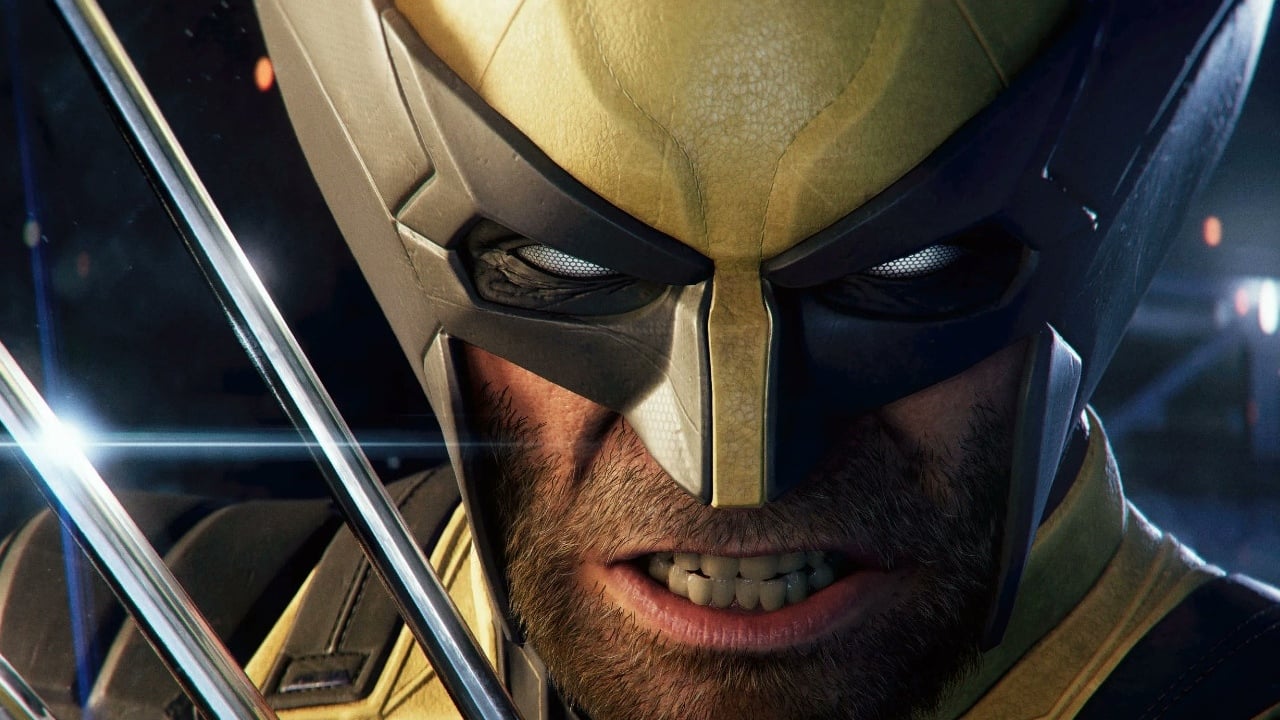
At the start of 2024, the video game realm appeared ready for a significant transformation as cross-platform gaming gained traction. Microsoft was making waves by launching its major titles on the Nintendo Switch and PlayStation 5 (PS5), while Sony seemed to adopt a more open stance by facilitating a growing number of PC adaptations. This scenario hinted at the rise of a comprehensive multiplatform future for video games. Nonetheless, recent developments suggest a shift away from this trajectory, as Sony is reportedly reducing its backing for PC releases, especially for single-player titles such as the forthcoming *Wolverine*.

**Speculations of a Strategic Retreat**

Recent information has emerged implying that Sony’s commitment to the PC gaming space is declining. Industry experts, including *Digital Foundry*’s John Linneman, have conveyed that under the existing management, enthusiasm for PC as a platform appears to be diminishing. Jason Schreier from *Bloomberg* shared similar thoughts in a podcast, suggesting that titles like *Wolverine* might not see a PC adaptation at all. Schreier’s comments gained traction on gaming forums where he indicated that the alteration is not simply conjecture, hinting at a notable withdrawal in Sony’s PC approach.

NateTheHate, another industry insider, has corroborated this change, noting that fewer single-player games are likely to arrive on PC in the future. The move away from PC was reportedly established in the past year, indicating a substantial strategic reevaluation at Sony.

**Assessing the Effect of PC Adaptations**

The reasoning behind the reduction in PC releases may originate from past experiences. Analysts, including *WindowsCentral*’s Jez Cordon, highlight that the performance of earlier ports likely fell short of expectations. Although titles like *Spider-Man 2* and *Ghost of Tsushima* celebrated over a million unit sales on PC, the returns might not warrant the investments tied to developing and maintaining these ports.

Financial analyses reveal that Sony earned around $2.37 billion from PC and Xbox games, primarily fueled by successful live-service franchises. However, concerns arise about whether the revenue from postponed PC releases compensates for the potential revenue losses in PS5 sales, especially when buyers hold off on purchasing a console for a future PC edition.

**The Argument Against Porting Single-Player Games**

Sony’s latest strategy appears to diverge from the traditional belief that expanding access to game titles is vital for optimizing revenue in an age of rising development expenses. Stepping back from PC for single-player experiences like *Wolverine* indicates a renewed emphasis on exclusivity, a signature of Sony’s brand persona. The success of this strategy depends on Sony’s legacy of crafting cinematic, narrative-driven games that may not connect with the typical PC gaming demographic.

Moreover, the genres thriving on Steam — like roguelikes or intense action titles — differ significantly from Sony’s portfolio. This disparity might clarify why several of Sony’s blockbuster titles faced challenges in the PC marketplace, indicating that the corporation may achieve greater profitability by nurturing its dedicated PS5 audience instead of pursuing uncertain avenues in PC sales.

**Conclusion**

Sony’s noticeable withdrawal from releasing single-player titles on PC signifies a major strategic shift for the organization, emphasizing its console ecosystem over a wider multiplatform approach. As the gaming industry keeps evolving, the effects of this transition will be scrutinized closely. It raises essential questions regarding the future of gaming exclusivity, the potential for building a deeply engaged gaming community around the PS5, and how the game distribution landscape will continue to adjust in response to player needs and market dynamics.